Industry
Sheet facing does not replace the substrate
Flexible stone cladding is a mineral face only. Waterproofing, structure, and the adhesive system stay with the wall build-up and that series data sheet.
In brief
- The sheet is a face, not a waterproofing membrane or a structural panel.
- Adhesive and primer follow the series data sheet for that look — do not swap brands blind.
- Lock substrate readiness before the mineral skin goes up; samples confirm the face only.
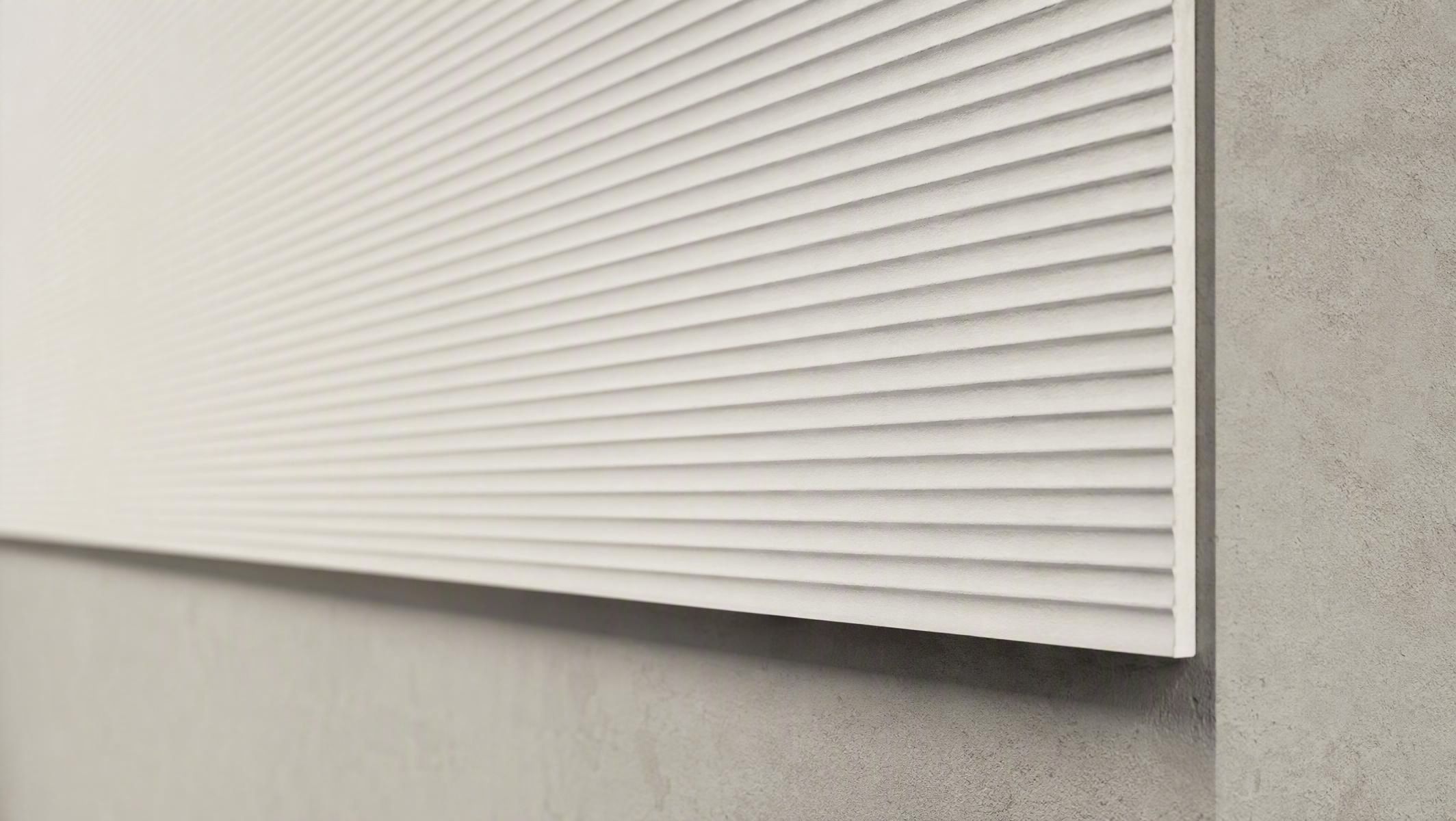
Tenders that search soft porcelain or flexible stone often name the look before they name the wall. The mineral sheet is a face. It does not replace waterproofing, a structural panel, or a movement joint. Those layers stay in the build-up. The adhesive system stays with the series that will actually go up. Write the substrate and the bonding line first. Then sample the look. Skipping that order is how a quiet elevation ends up with a beautiful face on a wall that was never ready for it.
What the sheet carries — and what it does not
On the current mix the mineral flexible stone sheet is 2–4 mm thick and weighs 3–8 kg/m². That band describes a cladding face that can follow curves and overlay a prepared wall. It does not describe a membrane. It does not describe a load-bearing skin. If the wall still needs waterproofing, keep that layer. If the elevation still needs a structural board, keep that board. The sheet sits on top of a ready substrate; it does not invent one. A cutting from a sample crate does not transfer waterproofing duty to the mineral face.
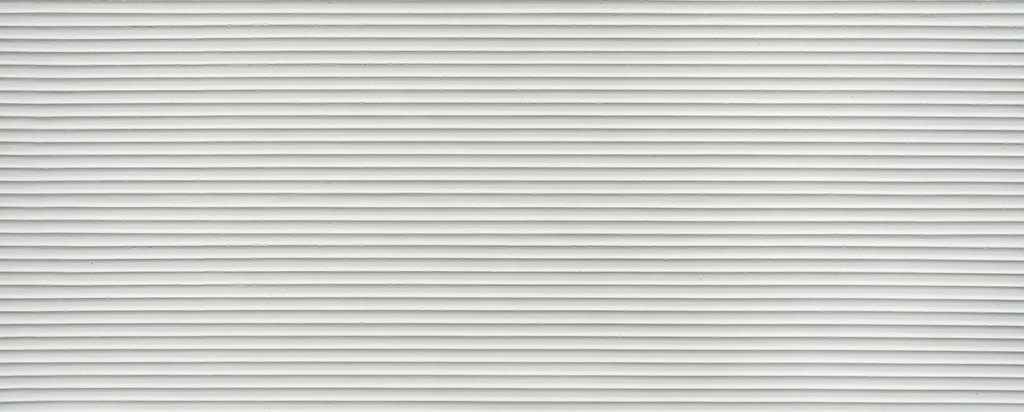
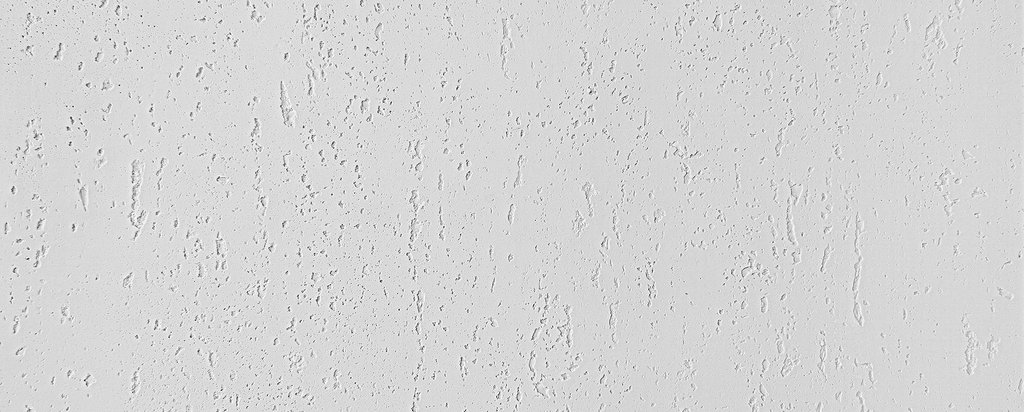
Quiet planes such as Ripple Panel and Cement Panel make the same point in different light. Travertine follows the same rule. The look changes how the wall reads. It does not change who owns waterproofing or structure. See the look board on /products before the bonding line is written into the file. The photograph sells the face. The specification still has to sell the wall behind it.
Adhesive follows the series, not the search phrase
Primer and adhesive belong to the series data sheet for the look being sampled. Do not borrow a brand from another mill note. Do not keep an old bonding line after the series changes. Overlay renovations and insulated walls make the mistake easier: the face looks light, so the file treats the glue as interchangeable. It is not. Change the series and reopen the bonding line with the current sheet in hand. A primer written for one mineral face can fail on another even when both sit in the same thickness band.
A modified mineral cladding (MCM facing sheet) still follows that order. The abbreviation names the face. It does not name the waterproofing or the adhesive. Keep the sample, the data sheet, and the substrate note in one file. When any of the three changes, reopen the bonding line before the wall is released. The search phrase that brought the inquiry does not travel into the bonding line.
Before the skin goes up
Confirm the substrate is dry, flat, and within the tolerance the series allows. Confirm the adhesive and primer on that data sheet. Confirm the sample thickness against the 2–4 mm band, then replace the band with the measured number on the sheet in front of you. Only then lock the look. Request a mill-run sample and the current data sheet together so the face and the bonding line arrive as one package. If the substrate is still open, hold the skin.
See the look board, starting with Ripple Panel, or request a sample and the current data sheet from the contact page. The sheet is the face. The substrate and the adhesive stay with the wall. That is the whole note — not a second search phrase, and not a substitute for the build-up.
See the look board, or request a sample and the current data sheet.

Specifying a wall? Ask for the current data sheet and a sample of the look.