Factory
Sample, batch and data sheet ship together
Zhongshan Yangphen Technology Co., Ltd. ships the mill-run sample, batch record and current data sheet together, so thickness, mass and fire class stay locked.
In brief
- A mill-run sample is cut from the current production batch, not printed from a swatch book.
- The batch record ties the sheet on the table to the sheets packed in the order.
- Thickness, mass and fire class follow the current data sheet — ask before the specification is locked.
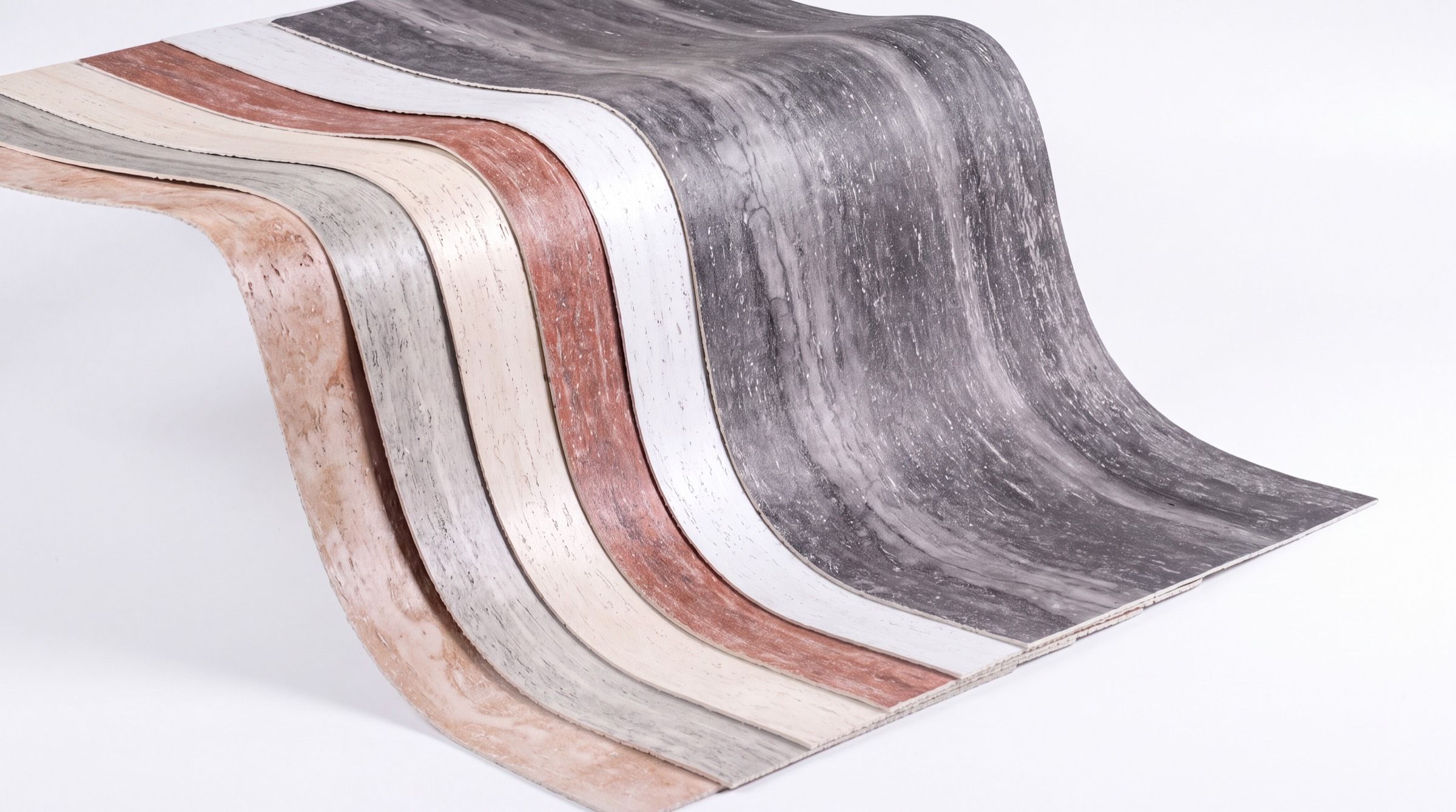
A specification gets locked long before the wall goes up, and the cost of finding out later is a second order. Three things arrive together from the plant so that the decision made at the desk still holds when the crates are opened: a mill-run sample, the batch record that it came from, and the data sheet that governs the sheet in stock.
What each of the three is
The sample is a sheet taken from current production. It carries the mineral face, the backer, the edge and the bend on a small radius, so a specifier can see how the material behaves rather than how a printed swatch photographs. It is the same object the site team will receive, not a separate presentation piece.
The batch record names the production run the sample was cut from. Natural variation in mineral facing is expected from run to run, so the record is what allows a later shipment to be checked against the sample that was approved. Without it, a colour or texture question has nothing to be measured against.
The data sheet is the current version: thickness, mass per square metre, and fire class as they are stated for the series at the time of order. Those values are not carried in a brochure or in an old email. Where the look is integrated from the wider board, the sheet is still locked to the version in force when it ships.
How they are issued together
Sample, record and sheet are released with the order rather than in separate messages, which is the working rule described on the About page. Requests for a mill-run sample, a replacement batch, or a reissued data sheet go through the same contact channel, with the project and series named so the right run is pulled.
None of the three substitutes for the others. The sample answers how it looks and bends, the batch record answers which run it came from, and the data sheet answers what may be written into the specification. Taken together they keep the approved sample and the delivered sheets on the same page, and keep thickness, mass and fire class locked to the version that was actually ordered.
See the look board, or request a sample and the current data sheet.


Specifying a wall? Ask for the current data sheet and a sample of the look.