Industry
What is MCM material: the technical name behind the search phrase
What is MCM material? Modified clay material is a 2-4 mm mineral facing sheet at 3-8 kg/m² - the technical name behind flexible stone. How it is made, where it fits.
In brief
- MCM means modified clay material: a 2-4 mm mineral facing sheet at 3-8 kg/m², sold as flexible stone
- Above 3 mm the sheet reaches Class A fire performance; match the report to the thickness you order
- It wraps columns and overlays old tile without a masonry crew, so walls carry no stone load
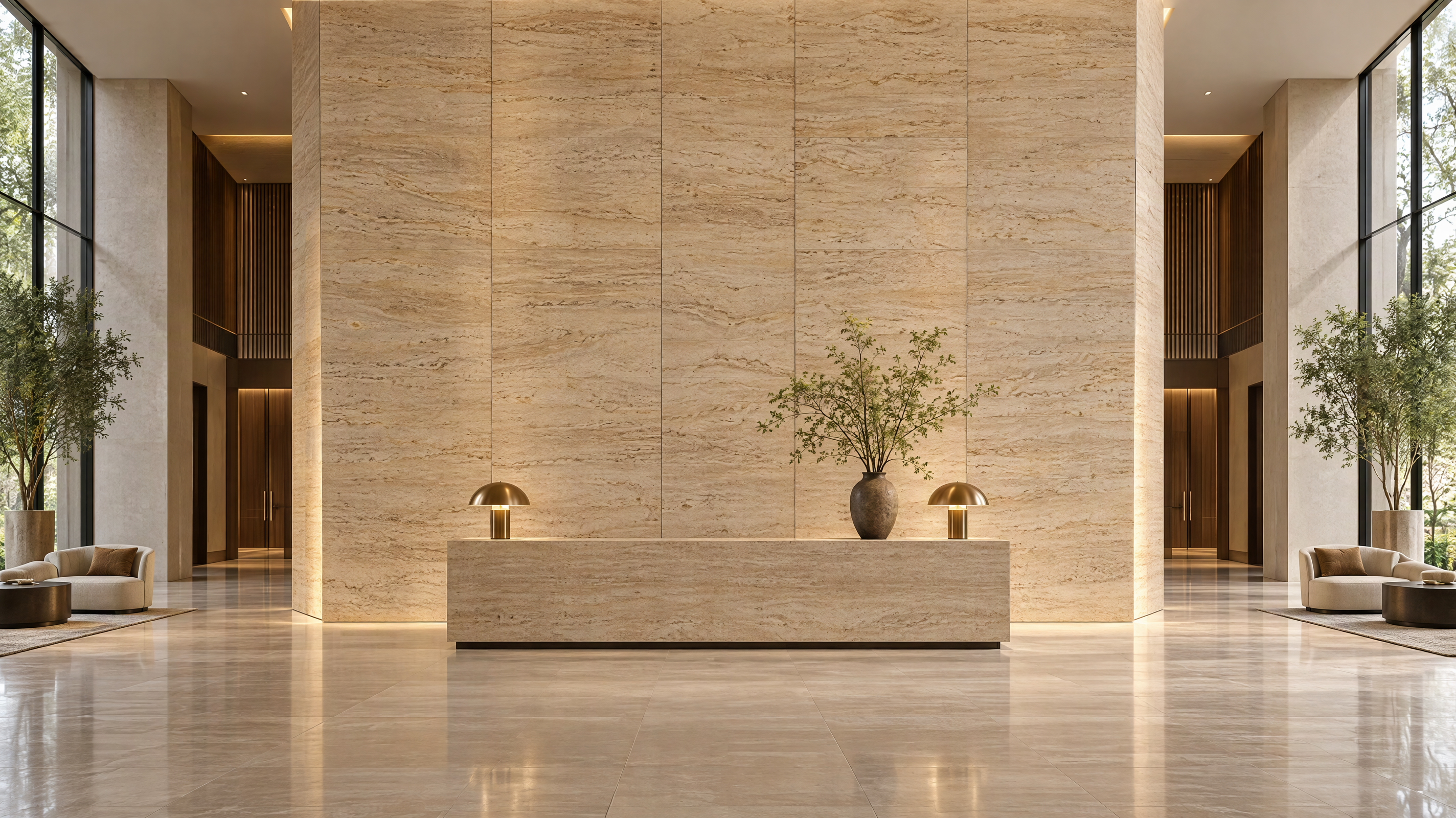
What is MCM material? The name stands for modified clay material, and on drawings and test reports it appears as modified mineral cladding - the product category most buyers know as flexible stone or soft porcelain. It is a thin mineral facing sheet, 2-4 mm thick and typically 3-8 kg/m², formed from inorganic powder rather than cut from a quarry. That difference in mass is the whole point: it lets a wall read as stone while the structure carries a fraction of the load. This article explains what the sheet actually is, which figures on the data sheet decide the specification, and where it outperforms tile and quarried stone.
What is MCM material, and what it is not
Modified clay material is a class of mineral composite facing sheet. The production line blends mineral powder with a small share of polymer modifiers, spreads the mix into a continuous sheet and cures it at low temperature - no kiln firing near 1,000 °C, which is why the finished sheet keeps a measured degree of flexibility. Flexible stone cladding is the commercial shorthand; modified mineral cladding is the technical one. What it is not: a resin-rich plastic panel, a painted coating, or a ceramic tile. There is no glaze to craze and no firing shrinkage to fight, which is why a soft porcelain panel can wrap a radius column where a tile would have to be cut into pieces.
The category is also easy to confuse with its neighbours. A fibre-cement board is thin but rigid, so it wants fixing frames; a stone-look coating is thin but has no body, so it cannot bridge a substrate joint or carry a chiselled face pattern. A mineral sheet sits between the two: it holds enough body to keep a quarried texture looking real, yet stays thin enough to bond with adhesive alone - no mechanical fixings, and no sprayed texture to repaint every few years.
The numbers that decide the specification
Ignore the brochure copy and read five figures. Thickness sits at 2-4 mm; above 3 mm the product reaches Class A fire performance, so the fire report must match the thickness actually ordered. Areal weight runs 3-8 kg/m² against 10-40 kg/m² for quarried stone - the gap that makes the sheet viable on structures never designed to carry masonry. Water absorption stays below 0.1 kg/m²·h⁰·⁵, the sheet survives freeze-thaw testing to 100 cycles, and accelerated ageing runs 1,200-3,500 hours. Tensile strength exceeds 1.0 MPa, the figure that keeps a lightweight cladding panel intact when the substrate behind it moves. Stain resistance reaches Grade 4/3, and the low absorption is what lets the same face pattern travel from a hotel lobby to a wet zone without changing product.
Run the checklist in this order; each step protects the one after it:
1. Ask for the data sheet and the test report for the exact series and thickness, not a generic brochure.
2. Confirm fire classification against the ordered thickness; Class A applies above 3 mm on the current series.
3. Request samples and batch records together, so the approved colour is the batch that ships - request samples before the programme is locked.
4. Check the substrate and adhesive specification before installation; the facing follows the wall behind it.
5. Fix the loading plan early: at 3-8 kg/m² a full container is counted in square metres, not in pallets.
6. Book the production slot against the installation date - colour batches are matched within a series, so a top-up order months later should reference the original batch record.
Where the sheet earns its place
Three situations explain most orders. First, exterior facade cladding on high-rise and insulated (ETICS) elevations, where every kilogram per square metre removed from the facade is structural budget recovered. Second, renovation overlay: the sheet bonds over existing tile or rendered walls without stripping them, which shortens the programme on occupied buildings. Third, interiors - interior feature wall cladding in hotel lobbies, lift cores and wet zones, plus columns and radius walls that tile cannot follow without cutting. In each case the mineral sheet supplies the surface; the substrate and the adhesive line supply the durability. A fourth case has no cheap alternative at all: arches, barrel vaults and sculpted reception desks, where cutting small tiles to follow a curve costs more in labour than the sheet costs installed.
Why specifiers keep moving to thin mineral skins
The shift is not only about weight. Production forms at low temperature instead of firing near 1,000 °C, which cuts production energy per square metre - one reason recycled-mineral content now appears in Middle East and Southeast Asia tenders alongside the usual fire paperwork. Engineers add a simpler argument for tall buildings: at 3-8 kg/m² the sheet adds almost nothing to seismic mass, and an adhesive-only system removes the drill-and-anchor traffic that damages waterproofing on podium decks. Scale matters too: Yangphen Stone (Zhongshan, China) runs a ~10,000 m² plant with ~150,000 m² of monthly capacity and has served 30,000+ companies since 2006, so a forty-look catalogue - travertine, rammed earth and fair-faced cast among them - is a stock proposition from one flexible stone manufacturer rather than a custom project. Buyers who begin by asking what is MCM material usually end up comparing suppliers on batch consistency and lead time, not on the definition. For distributors the commercial appeal is logistics: sheets ship flat in cartons, a container carries thousands of square metres, and breakage on site is a cutting mistake rather than a pallet casualty. Facade tenders in the Gulf and across Southeast Asia increasingly read like checklists - SABER in Saudi Arabia, CIDB and COA in Malaysia, SNI in Indonesia, plus CE and ISO 9001/14001 at the factory - and the modified mineral cladding category now shows up under thin-stone line items rather than as a curiosity.
What to confirm before specification
MCM is a family, not a single certified product; properties vary by series and thickness. Before shortlisting, lock four items: the fire classification for the ordered thickness, the water-absorption and freeze-thaw figures for the project climate, the adhesive system matched to the substrate, and the batch sample approved against production stock. Every figure quoted above is a series range, not a promise for all colours and thicknesses - confirm the current series data sheet.
See the look board, or request a sample and the current data sheet.
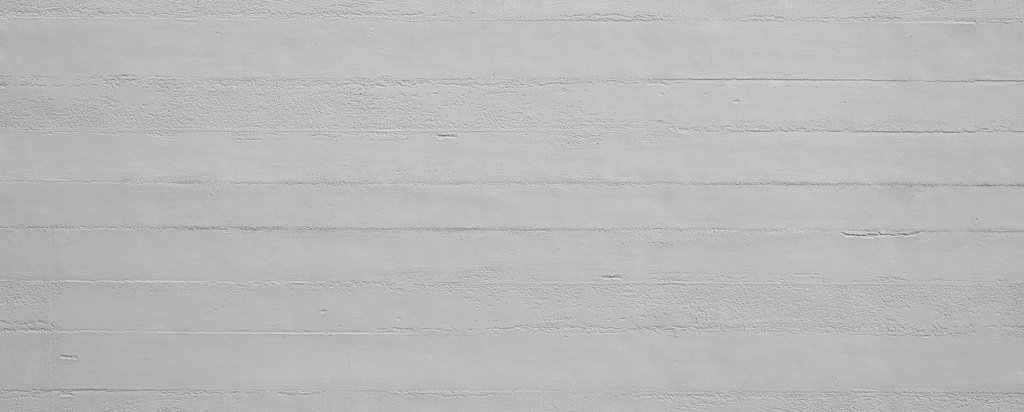
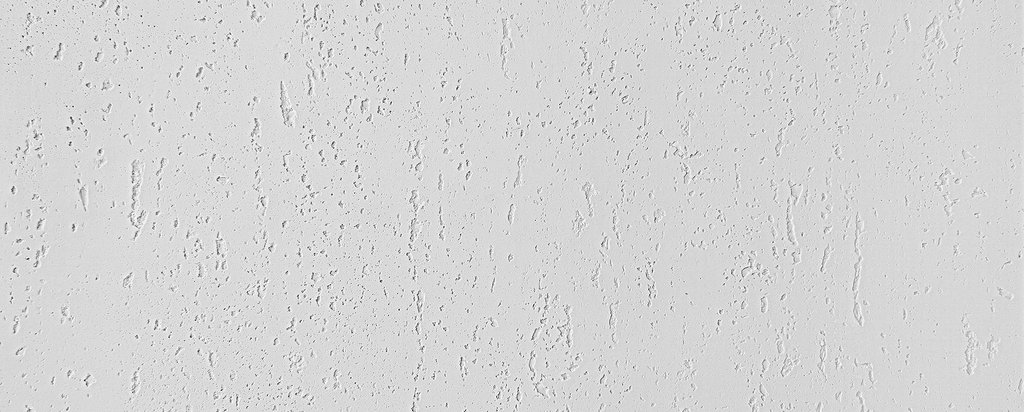
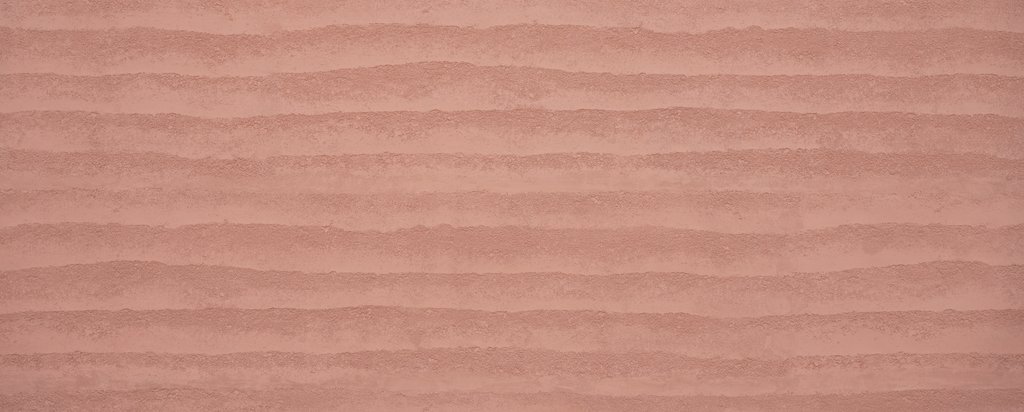
Specifying a wall? Ask for the current data sheet and a sample of the look.