Industry
Why flexible stone cladding follows curves that tile cannot
Rigid tile and thick stone stop on a tight radius. A mineral flexible stone sheet can wrap a column or a curved lobby wall — lock the radius to the current data sheet.
In brief
- Flexible stone cladding wraps columns and curved walls that ceramic tile cannot.
- It is a mineral skin, not a resin imitation and not a PVC wrap.
- Confirm bend radius, joint, and fire path on the current data sheet before the wall is locked.
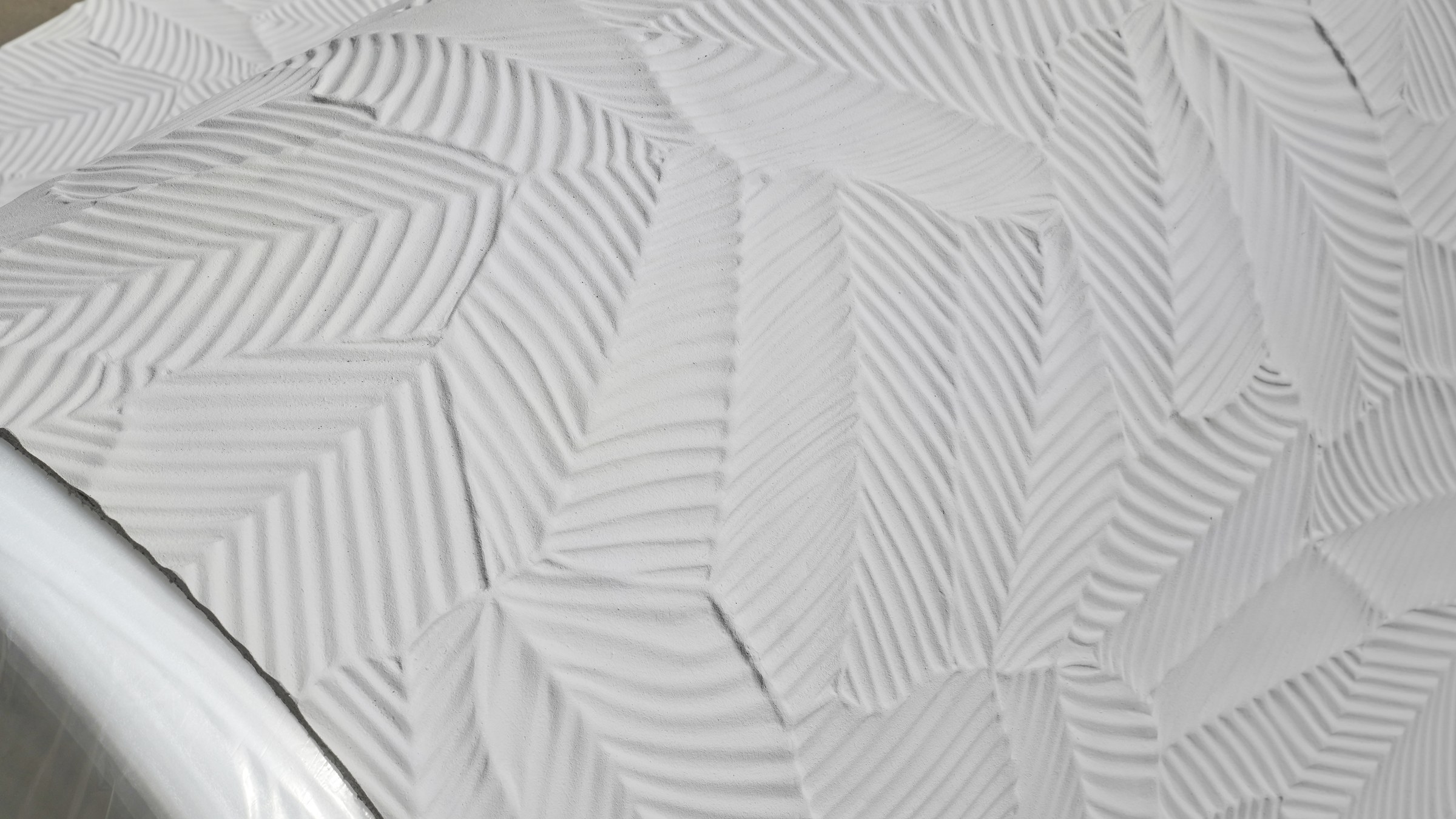
The usual failure on a column or a tight lobby radius is not colour. It is geometry. Ceramic tile wants a plane. Thick stone wants a plane and a crane. A mineral flexible stone sheet is made to take a bend that those two materials will not.
Where tile and thick stone stop
On a convex column, tile shows its edge and its grout as a faceted drum. On a concave niche, it hollows. Cut stone in the same place becomes a custom workshop job: thick, heavy, slow, and expensive to redo if the radius was misread. Specifiers then either straighten the architecture or accept a different material.
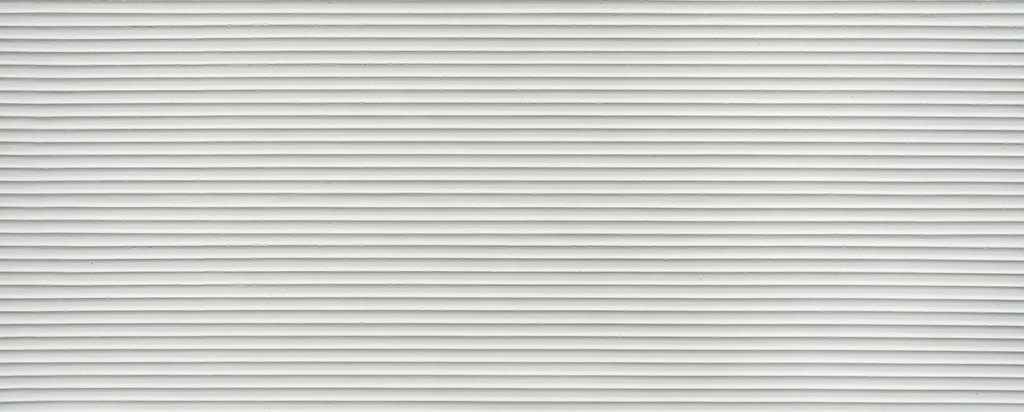
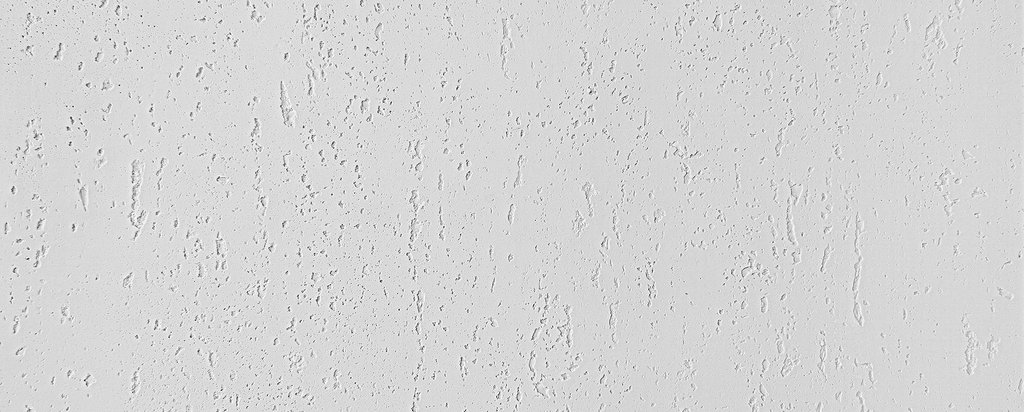
Flexible stone cladding is a mineral skin. In the mill we wrap sample sheets around a form so the relief — leaf, ripple, timber, or travertine pit — still reads after the bend. That demonstration is not a finished project photograph. It is the factory showing the sheet will take the curve.
What to lock before the wall is drawn
Ask for the current data sheet, not a memory of the last job. Thickness and mass stay low enough for overlay and for many insulation paths, but the exact millimetres, kilograms, and fire class belong on that sheet. The same is true of the smallest radius the look will take without cracking the face.
Joints still exist. A curved wall is not a single infinite sheet. Set joint layout on the drawing, and decide whether the look is a continuous relief (leaf, ripple) or a modular face (mosaic travertine, brick). The mill can advise; it cannot invent the joint after the wall is closed.
Sampling the curve, not only the colour
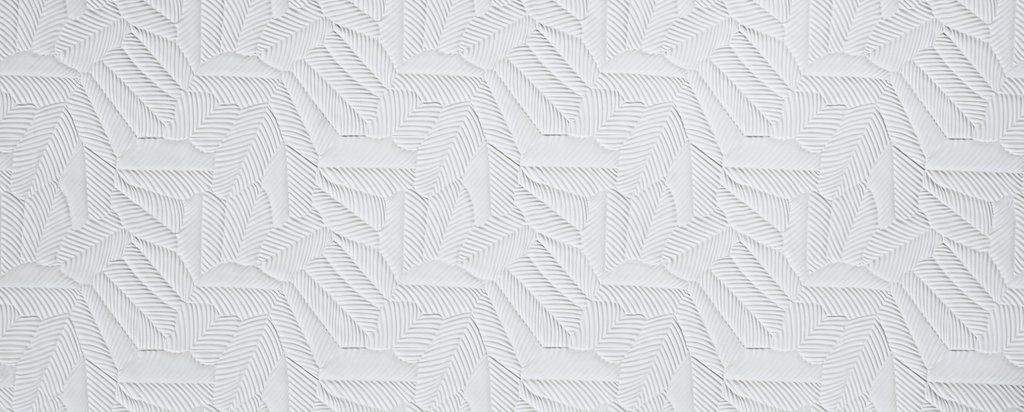
A flat swatch lies. Hold a mill-run sample and bend it the way the column bends. Watch whether the relief still reads in raking light. Banana Leaf, for example, is a low botanical relief: in flat light it is almost silent; on a curve the veins catch. Specify that look from the board, then confirm fire class and radius with the factory.
This path is sometimes described in the trade as modified mineral cladding (MCM facing sheet). The useful sentence for the architect is simpler: a mineral skin that can follow the wall you actually drew.
See the look board, or request a sample and the current data sheet.
Specifying a wall? Ask for the current data sheet and a sample of the look.