03 / 40 · Timber
Diagonal Sawn Timber Flexible Stone Cladding
Sawn grain running on the bias.
At a glance
What Diagonal Sawn Timber is
Diagonal Sawn Timber runs the sawn figure on a bias, giving the wall direction without reading as a floor. The flexible stone cladding sheet holds the tooth of the cut and will not cup or grey the way outdoor timber does, so it suits soffits, courtyard walls, and hospitality interiors.
Diagonal Sawn Timber runs the sawn figure on a bias, so the wall has direction without looking like a floor. The mineral sheet holds the tooth of the cut and will not cup or grey like outdoor timber. Use it on soffits, courtyard walls, and hospitality interiors that want sawn wood without a maintenance cycle. Thickness, mass, and fire class follow the current data sheet — ask before the specification is locked.
Where to specify
Where Diagonal Sawn Timber belongs
Diagonal Sawn Timber for Exterior Facade
The bias grain gives a tall, plain elevation direction and movement it would not otherwise have.See applicationInterior WallsDiagonal Sawn Timber for Interior Walls
On interior walls the diagonal cut avoids the laid-deck read of straight timber cladding.See applicationHospitality & CommercialDiagonal Sawn Timber for Hospitality & Commercial
Repeatable across a long run for hospitality interiors that want timber character without timber upkeep.See applicationTypical specification
Specify from the sheet, not the photograph.
| Property | Typical band |
|---|---|
| Sheet thickness | 2–4 mm |
| Mass per area | 3–8 kg/m² |
| Fire class | Class A above 3 mm; thinner sheets follow coating rules |
| Form | Bendable mineral sheet — wraps columns and radius walls |
These are series bands, not the locked values for Diagonal Sawn Timber. Thickness, fire class, and weathering are confirmed on the current data sheet for this look — ask before the specification is locked.
Before you specify
Questions about Diagonal Sawn Timber
Why run the grain on a diagonal?
The bias gives the elevation movement and avoids the look of a laid timber deck. The pattern is formed in the sheet, so it stays even across a run.
Can Diagonal Sawn Timber be used outside?
Yes, where the elevation sits inside the weathering band on the current data sheet. Confirm that band before the specification is locked.
What sheet format does Diagonal Sawn Timber come in?
The bias grain is pressed into a thin mineral sheet, not sawn from timber. Confirm thickness, fire class, and weathering on the current data sheet. Typical flexible stone sheets run 2–4 mm and 3–8 kg/m².
Related looks
Other faces on the same sheet
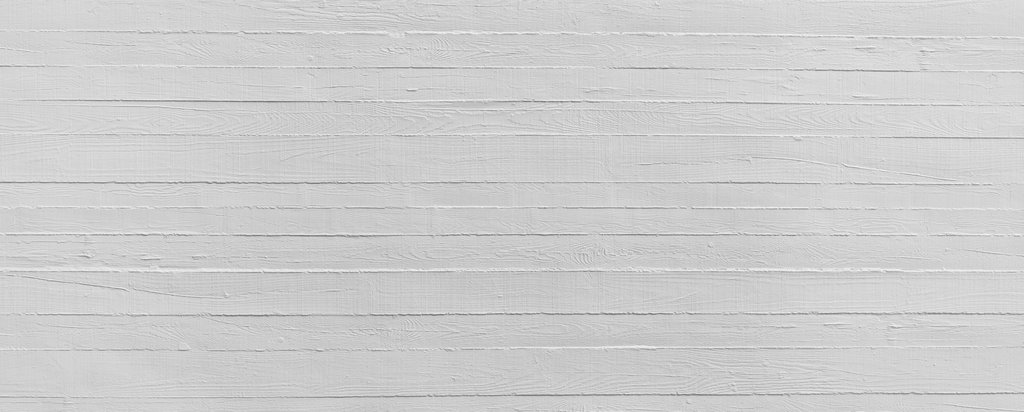
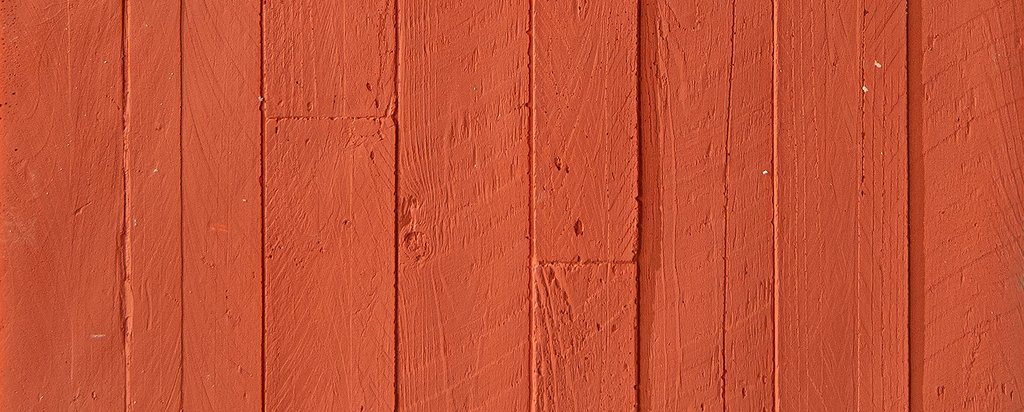
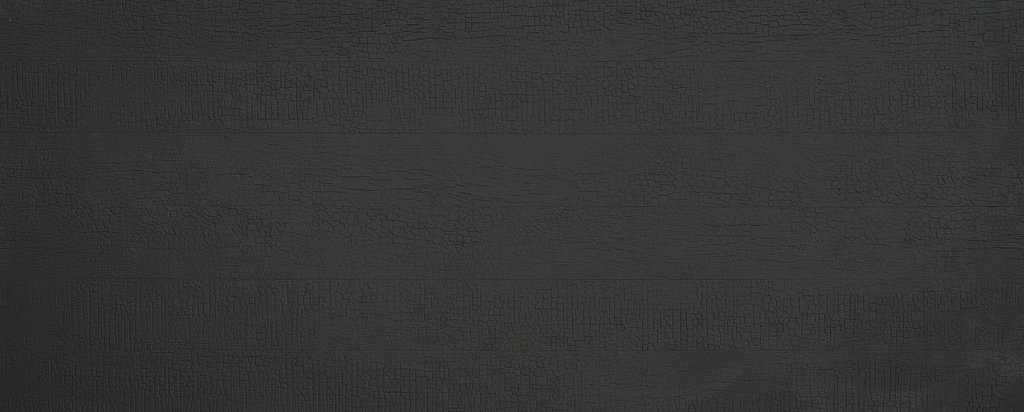
Request
Ask for a sample of Diagonal Sawn Timber.
Sample pack, current data sheet, and quotation come from the factory in Zhongshan. Tell us the look, the wall, and whether it is interior or exterior.