02 / 40 · Cast · Timber
Timber Cast Flexible Stone Cladding
Board-form timber impressed into mineral.
At a glance
What Timber Cast is
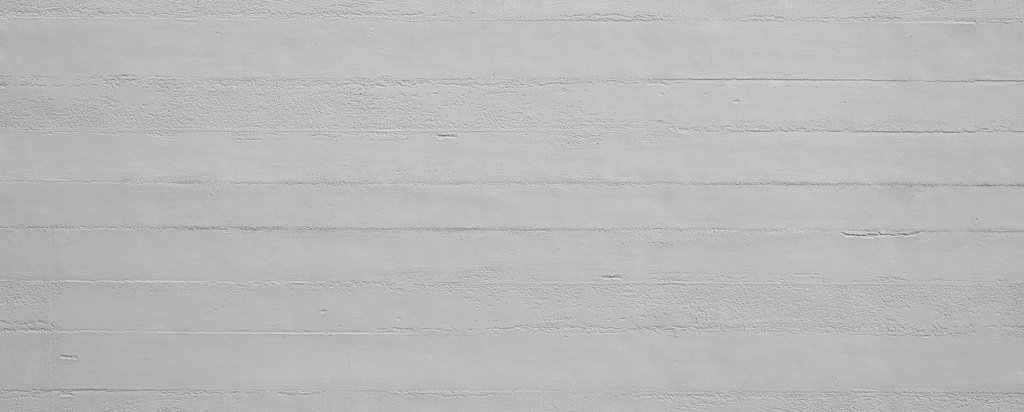
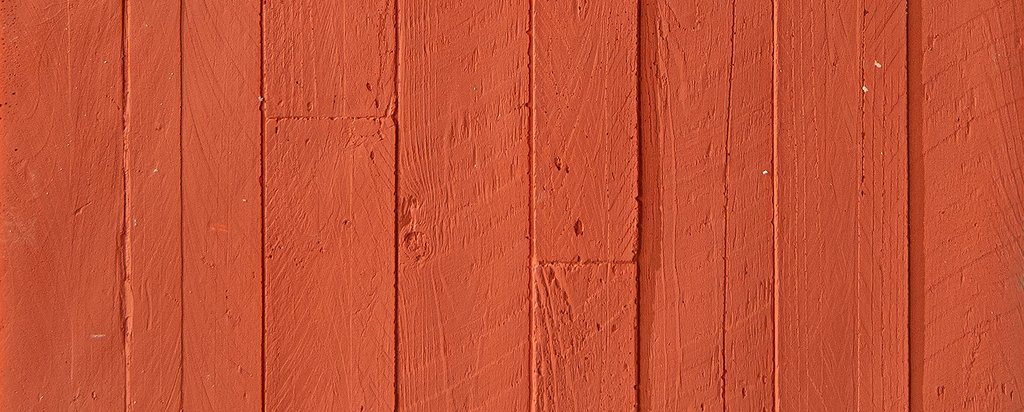
Timber Cast keeps the imprint of shuttering boards — grain, knots, and the mismatch of plank edges — in flexible stone cladding rather than timber. It reads as formwork concrete with a wood memory, and suits facades, plinths, and interiors that want a cast wall without a carpenter on site.
Timber Cast keeps the imprint of shuttering boards: grain, knots, and the slight mismatch of plank edges. It reads as formwork concrete with a wood memory, not as a timber plank. Specify it on facades, plinths, and interiors that want a cast wall without a carpenter on site. Thickness, mass, and fire class follow the current data sheet — ask before the specification is locked.
Where to specify
Where Timber Cast belongs
Timber Cast for Exterior Facade
Board-form memory gives an elevation the read of cast concrete without a formwork programme.See applicationInterior WallsTimber Cast for Interior Walls
Inside, the shuttering grain reads as architectural concrete with a warmer hand than fair-faced cast.See applicationLandscapeTimber Cast for Landscape
The cast face holds up on garden walls and plinths where timber would cup and grey.See applicationTypical specification
Specify from the sheet, not the photograph.
| Property | Typical band |
|---|---|
| Sheet thickness | 2–4 mm |
| Mass per area | 3–8 kg/m² |
| Fire class | Class A above 3 mm; thinner sheets follow coating rules |
| Form | Bendable mineral sheet — wraps columns and radius walls |
These are series bands, not the locked values for Timber Cast. Thickness, fire class, and weathering are confirmed on the current data sheet for this look — ask before the specification is locked.
Before you specify
Questions about Timber Cast
Is Timber Cast a wood product?
No. It is a mineral sheet that carries the memory of board formwork. You get the timber imprint without timber's cupping, greying, or maintenance cycle.
Can Timber Cast be used outside?
Yes, on facades and plinths that sit within the weathering band on the current data sheet. Confirm that band before specifying exterior use.
Does Timber Cast add much weight to a wall?
Timber Cast is a sheet, not a board, so the board-form look comes without board weight. Confirm thickness, fire class, and weathering on the current data sheet. Typical flexible stone sheets run 2–4 mm and 3–8 kg/m².
Related looks
Other faces on the same sheet
Request
Ask for a sample of Timber Cast.
Sample pack, current data sheet, and quotation come from the factory in Zhongshan. Tell us the look, the wall, and whether it is interior or exterior.